This piece has been contributed by Coates Senior Director - Signage, Charles Hoare.
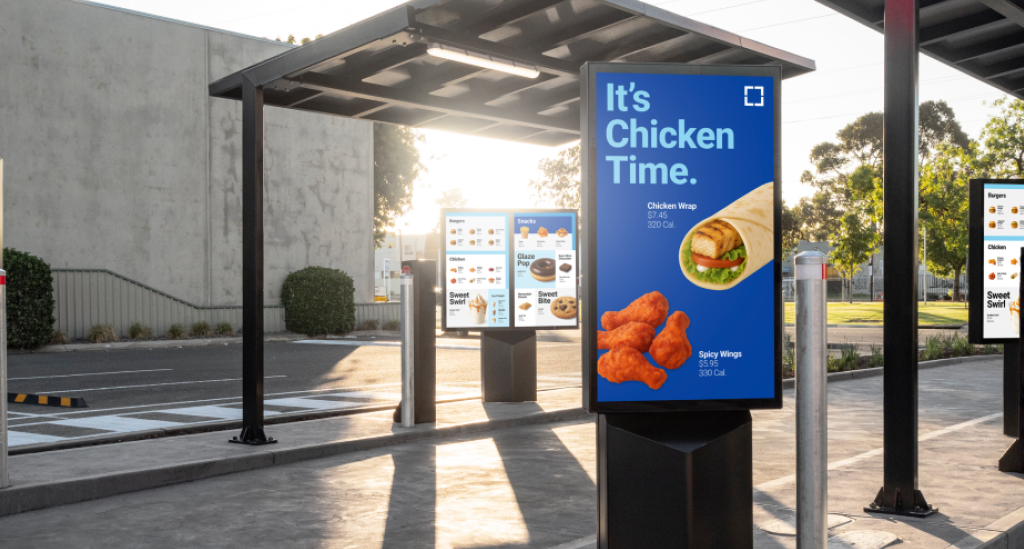
Over the last decade, digital signage has driven increased impact across public-facing environments. Static posters and lightboxes have given way to digital screens in storefronts and point of-sale areas, offering improved flexibility, quicker content updates, and the ability to deliver messages based on data and context.
Digital displays have become increasingly commonplace in customer-facing venues, including retail stores, quick-service restaurants (QSRs), petrol station and convenience stores. Brands now leverage digital platforms and content management software to tailor content in real-time, responding to factors like the weather, time of day, or current consumer behaviour. These tools have become dynamic, measurable, and increasingly intelligent.
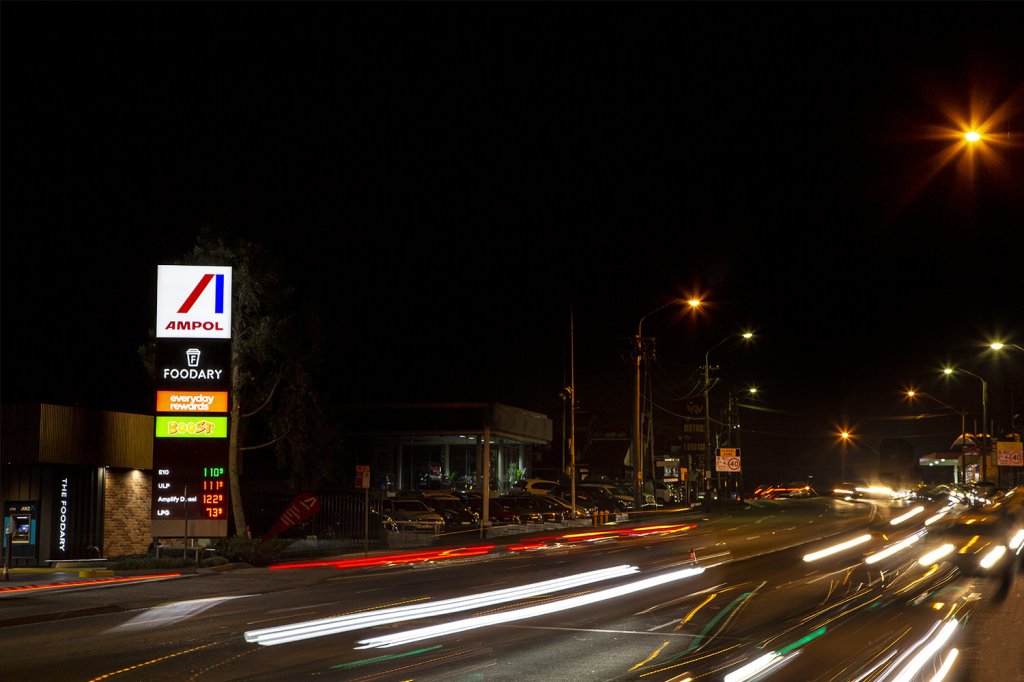
However, as positively transformative as digital signage has become, traditional signage still has a part to play in continuing to help people navigate marketplaces, locate businesses, and identify products. Its relevance lies in something fundamental: offering visibility, consistency, and physical presence within the environment. Whether it’s a driver recognising a logo from a distance or a customer reassured by familiar brand elements upon arrival, traditional signage often plays a vital role before any digital messaging appears.
In today’s technology-driven QSR and retail spaces, traditional signage is often overlooked, as it’s perceived to be outdated. Yet, it forms the essential groundwork that supports and enhances digital engagement. Despite rapid digital advancements, traditional signage, while often seen as static, continues to evolve in technology, appearance, and quality, remaining a powerful platform for shaping customer perceptions and guiding behaviour.
The Enduring Advantages of Traditional Signage
While digital screens captivate with motion and real-time messaging, it's the quiet, enduring presence of traditional signage that continues to make a deep, foundational impact -- especially in the physical spaces where first impressions are formed. This enduring presence translates into a range of advantages that continue to shape the customer experience:
Physical and Tangible Presence: Traditional signs signal that a business is established, rooted in the community, and here to stay. It creates a sense of legitimacy and permanence, qualities that are reassuring to customers, especially in local retail or QSR environments.
Targeted Local Exposure: Rather than being merely static, traditional signage serves a strategic role, especially when positioned in high-visibility areas like storefronts or roadside intersections, where they become part of the everyday visual environment. This repeated exposure works on a subconscious level, embedding the brand into the routines and mental maps of nearby consumers.
24/7 Visibility: Traditional signage, whether illuminated or non-illuminated, ensures brands remain visible at all times. Even in the event of technical interruptions, signage continues to display without compromise. For petrol stations, QSRs, or convenience stores operating late hours, this consistent and dependable presence is a genuine business advantage.
Low Maintenance Requirements: Well-manufactured signs -- particularly those made from weather-resistant materials like aluminium, acrylic, or composite panels --are designed to last. They require little upkeep beyond occasional cleaning or repainting. And if damage does occur, repairs are usually straightforward and inexpensive. This durability is especially valuable in outdoor settings, where exposure to the elements is a constant factor.
Making the Two Work Together
The relationship between traditional and digital signage should not be viewed as a competition but as a complementary strategy within a connected ecosystem. Each format plays a distinct role in shaping the customer journey, and the most forward-thinking brands are those that coordinate both to create a seamless and effective experience. Traditional signage helps establish a brand’s physical identity, supports wayfinding, and reinforces long-term recognition. In contrast, digital signage enables dynamic messaging, adapts to real-time conditions, and facilitates data-driven decisions. When used together, these two formats can create a layered, responsive environment that enhances customer experience beyond what either could achieve on its own.
Looking forward, the most effective retail and QSR environments will likely be those that evaluate the strengths of each signage format and apply them with purpose. Rather than being left behind, traditional signage will continue to play a steady, dependable role—working alongside digital tools to create a more complete and effective customer experience.
About Coates
Coates is a QSR experience ecosystem partner with over 60 years of expertise helping the world’s most loved QSR brands simplify the complexity of connected restaurant ecosystems. From drive thru to in-restaurant, we deliver tailored solutions, technology, and end-to-end services that reduce operational pressure, boost efficiency, and create seamless customer experiences at every touchpoint.
Our capabilities extend beyond digital, with best-in-class indoor and outdoor signage solutions delivered since 1963. Combining durability, compliance, and impactful design, we help national and global brands stand out while ensuring consistency across every physical and digital interaction.