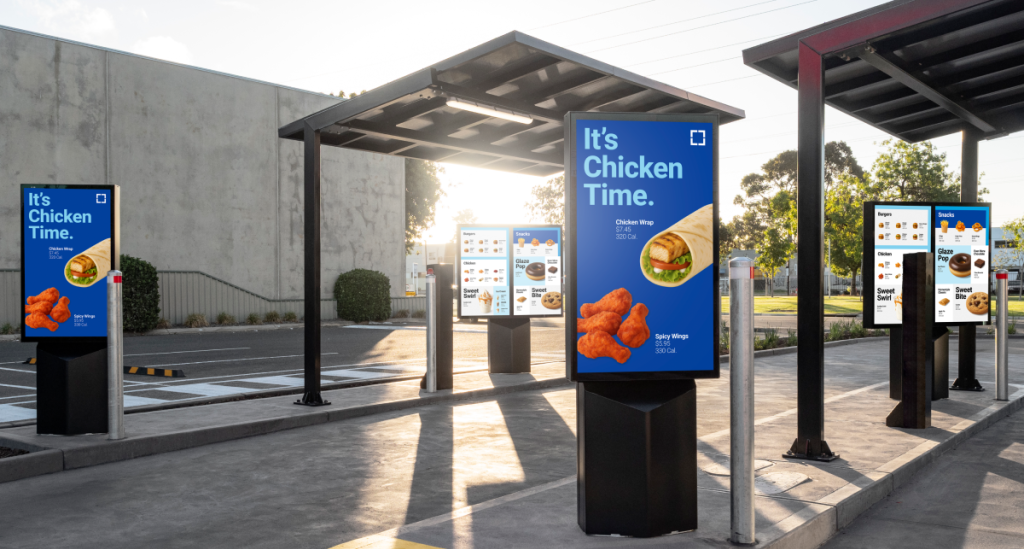
In this landscape, marketing’s role is always evolving. It is no longer confined to promotion—it is central to creating connections.
Contributed by Nikita Chawla - Vice President, Global Strategy
Creating a connected restaurant experience involves managing complexity across operational, technological, and customer touchpoints. Today’s ecosystem spans drive-thru, mobile, self-service kiosks, front counter, delivery, and pickup, each representing a distinct moment in the customer journey. The challenge is not their existence, but how seamlessly they intersect. Consistency across service, brand, and technology is what transforms a collection of touchpoints into a cohesive experience.
In this landscape, marketing’s role is always evolving. It is no longer confined to promotion—it is central to creating connections. Marketing defines how a brand shows up across every interaction, acting as the unifying thread between physical and digital environments. When done well, it ensures that every touchpoint feels intentional, seamless and ultimately shapes experiences that resonate with customers in meaningful ways.
Yet this sits alongside an ever-shifting technology landscape, where new capabilities continuously redefine what’s possible—and what customers expect. Marketing must not only keep pace but translate these advancements into tangible business outcomes, from increasing average ticket size and improving speed of service to enhancing order accuracy and deepening brand loyalty. The delicate balance has become clear: how do you protect the customer experience while managing the complexity that underpins it?
The answer lies in a customer-first approach. Rather than leading with technology independently, focus on understanding how customers move and transition between channels, what they value in each moment, and where friction still exists. From there, assess how technology and data can add value – becoming enablers, not drivers, of the experience.
By anchoring decisions in real customer behavior and aligning data to support those journeys, brands can simplify the complexity and ensure brand perception isn’t compromised in the process. The result is not just operational efficiency, but a truly customer-centric ecosystem—one that delivers consistency, relevance, and value, regardless of how, where or when the customer chooses to engage.